
(
)
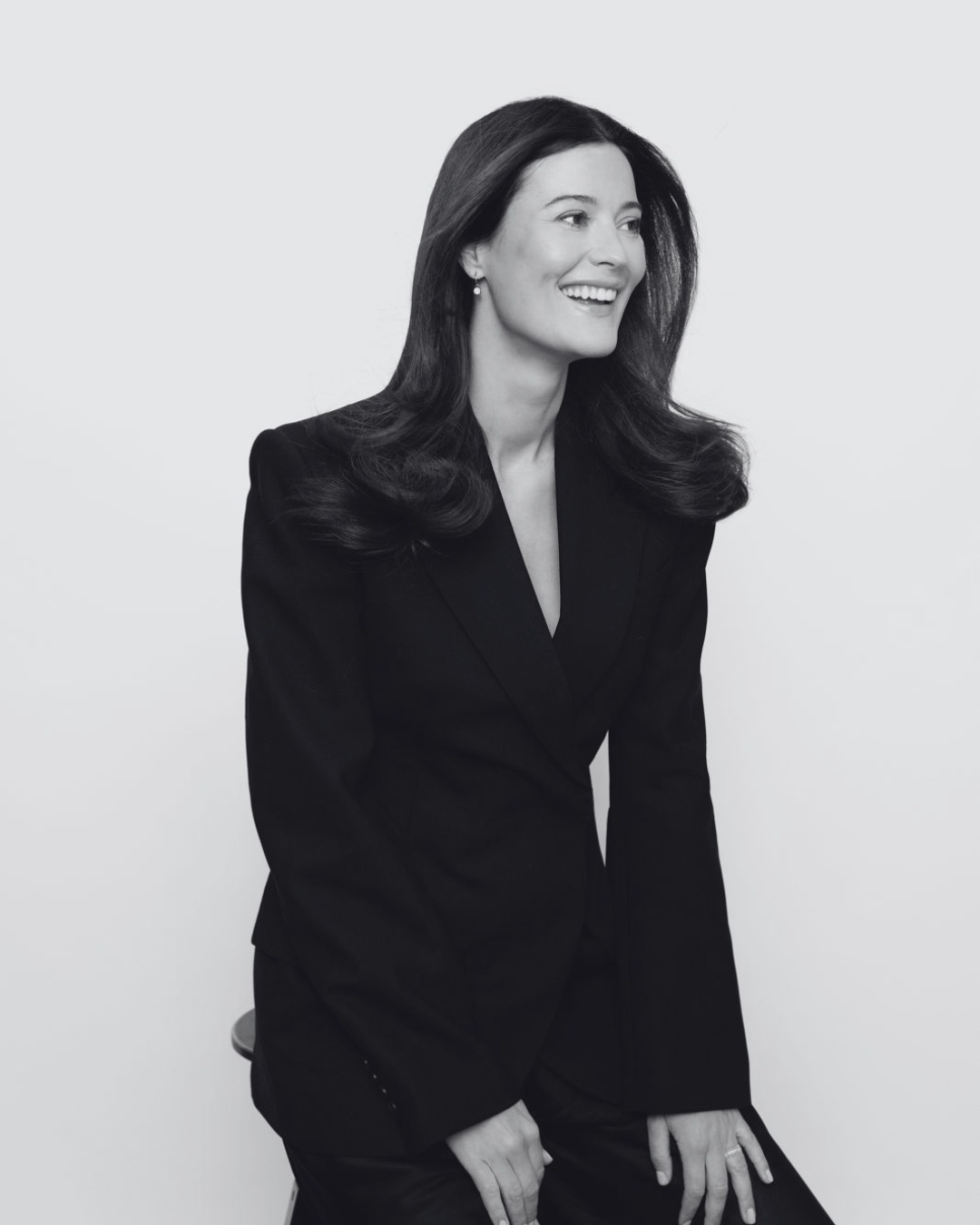
Victoria Prew on Starting Over
You’ve already experienced building a business from the very beginning. What made you want to start again?
There’s no steeper learning curve than being an entrepreneur, and once you’ve done it once, it becomes almost an addiction. It is the most exhilarating thing a human can do: take an idea out of your head, put it into the world, and turn it into a business.
I was 25 when I started my first business and I had the right balance of naivety and enthusiasm. At 32 I’ve learned a lot of lessons, and although the world is changing faster than most people can catch up with, I want to be at the forefront of that change. Specifically in the way AI is moving right now.
What does launching a business in 2026 actually look like behind the scenes, and how different is the reality from what people see from the outside?
There’s a lot of automation from day one. But I think people, and especially women, overcomplicate the process of building a business.
Once you have an idea it is genuinely very easy to launch an MVP (minimum viable product). Put some AI-generated images into the world, run some Meta ads on top of them, and see if the product resonates. Or get 50 people in a room to give you brutal feedback on whether they would use your product, yes or no. It’s so easy to strive for 100%, and the reality is that 80% is usually good enough. I learned that lesson building HURR and I’m still reminding myself of it now.
This time around I’ve spent the last year immersed in AI, building agents, and upskilling as much as I possibly can, which has been invaluable from day one.
It has been astonishing how much more cost-effective round two has been. The moats to entrepreneurship have never been lower, and it has never been a better time to give your idea a go.
Having done it before, what are you approaching differently this time around?
Can I say almost everything? How I’m testing, how I’m learning, how I’m building from day one.
The biggest change is that I’m bringing in experts far earlier. I’ve been lucky to build a network of brilliant brand designers, tech strategists and operations people. At HURR we were bootstrapping, so we were a couple of years in before we had that specific expertise around us. This time I’m being much more deliberate about who I need and exactly what I need them for.

“AI has made everything look the same, so taste is now the whole game.”
There are more tools than ever for launching a brand, but also so much more noise. What does it take for a new business to genuinely cut through in 2026?
AI has made everything look the same, so taste is now the whole game. Brand and taste are almost everything.
Storytelling matters more than it ever has. Some of the largest tech companies in the world are currently paying six figures for the best copywriters and story strategists they can find.
And you have to own your distribution from day one. Look at what the biggest tech and venture brands are doing: they are all building media arms. OpenAI acquired TBPN this April, a daily tech show that was barely 18 months old and sold for hundreds of millions. That’s what the market thinks distribution is worth now.
How much does confidence come into being a founder? Is it something you’ve always had, or something you’ve learned?
In the corporate world I was always slightly underconfident, because I never felt like the expert in the room. The best thing about launching your own business is that you are the expert in the room. Nobody knows that business better than you do.
I worked that out early, going through multiple rounds of venture financing. It was completely fine to say “I don’t know the answer to that, can I come back to you in two hours via email?” People don’t expect you to know everything. They expect you to have a point of view.
For me confidence always came from traction. I’ve been very certain about the decisions we’ve made and very certain that the businesses I’ve built deserve to exist. If your business deserves to exist in the world, do everything and anything to make that happen.

When you have an important meeting, pitch or big day, what do you wear to feel most like yourself?
Even though the corporate world has become much less formal, I still prefer to dress on the formal side. I’ll normally go for a two-piece co-ord in a single colour, grey, black or cream, with a pump or a low mule heel, and a huge black leather tote that carries everything I could possibly need.
Simple will always be the goal. I have three meeting outfits I’ve worn on repeat for years.
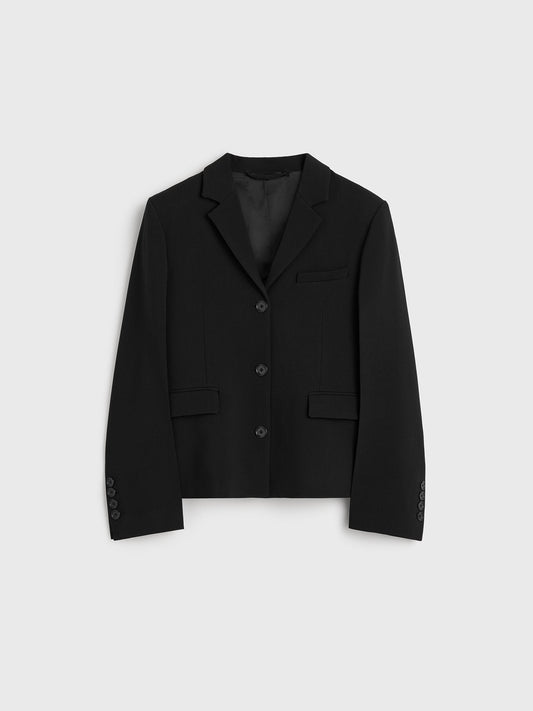
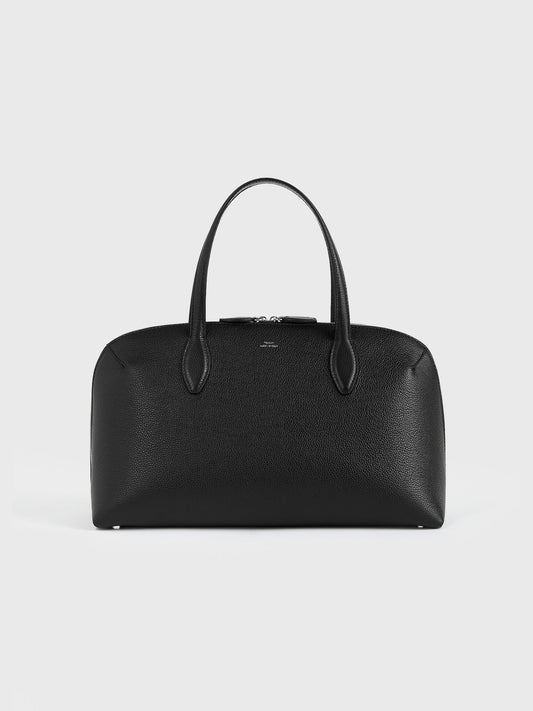
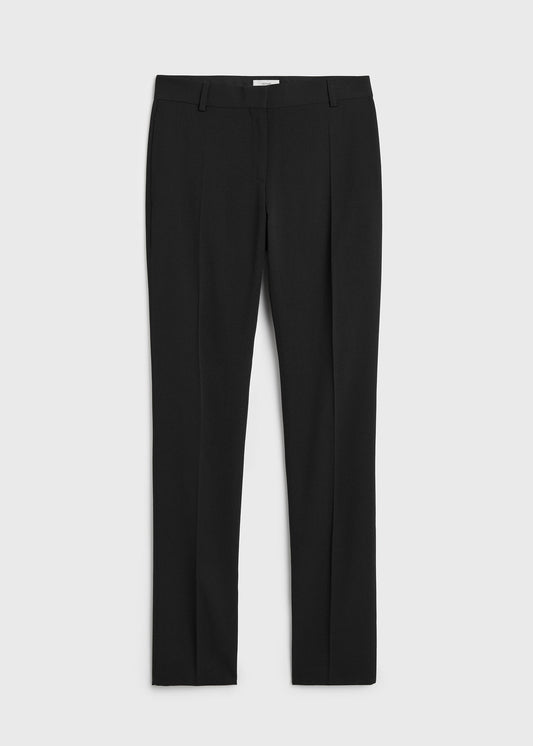
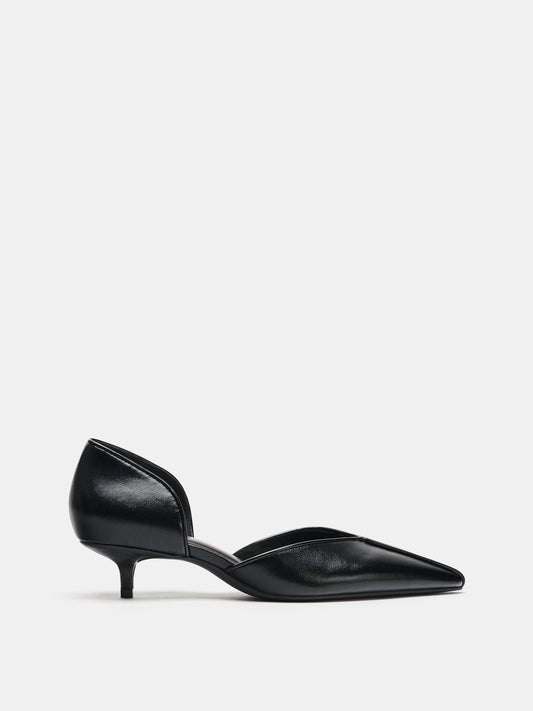
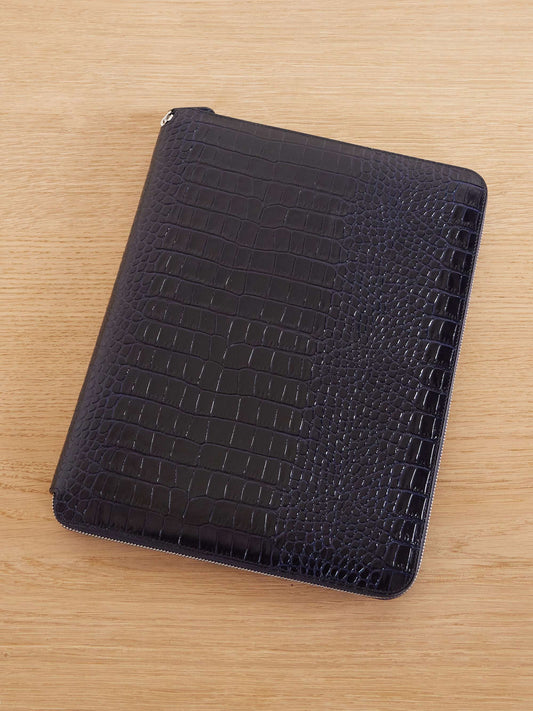
What’s the best thing you’ve bought recently, and what’s at the top of your wish list?
I recently had my headshots redone and bought a Row two-piece blazer that I’ve worn on repeat since. It’s one of my boardroom looks.
Top of my wish list is the Totême Lounge medium leather tote. I know I’ll use it for years.
How important is building a personal brand alongside a business now? Are founders expected to be more visible than they once were?
I watched Emma Grede’s video on this recently and I completely agree with her take.
My advice is always to do the thing first, then build the personal brand on top of it. There’s been a huge rise in people trying to build a personal brand and working backwards to find their niche. Build the thing. You can build the brand alongside it, but you need a clear view of what you’re making first.
What have you learnt about building a community around a business, rather than simply finding customers?
The question I’d ask is: how early can you include your customers, even before you have a product?
One of the best things we did at HURR was run a WhatsApp group moderated by members of our own community. It was the single most defensible thing we built. What customers wanted from us, what we were doing well, and just as importantly what we were doing badly.
I’m a huge fan of every early-stage business finding 20 to 70 people, putting them in a WhatsApp group, giving them a discount in exchange for feedback, and asking them to be brutally honest.
“Your job title isn’t Chief Executive Officer. It’s Chief Experimentation Officer.”
What has surprised you most about starting again, either something easier than expected or something much harder?
The hardest part has been something I didn’t see coming at all. There are two versions of me and they’ve been arguing all year.
One wants to build something enormous. Scale the team, raise the round, do it all again but bigger. The other wants to throw my phone out of the window, delete every app and go and live somewhere with no signal!
I assumed I’d have to pick, because in my 20s I did pick. I chose the first one completely, built HURR, raised the millions and ran it at speed. Then a coach asked me who I was outside of the company and I couldn’t answer. Not a hard question. I just didn’t have one.
So my 30s have been about building an answer. Golf. Strength training, which I’m now obsessed with. Friends I actually see. A life running in parallel to the work instead of behind it.
The irony is that the more I’ve slowed down and tried to actually live my life, the better the ideas have got. I’m enjoying this stage.

What do you think people underestimate most about turning an idea into a business?
I see founders complicate this constantly. Before you part with a single penny of your own money, or go to a single investor, you can put a quick and cheap version of your idea into the world and find out whether it resonates.
Never spend any money until you can prove your business deserves to exist. Most people are too frightened to find out, and treat a lukewarm response to the first version as failure.
I’ve worked with businesses where it was pivot number six that became a multi-million pound company. Your job title isn’t Chief Executive Officer. It’s Chief Experimentation Officer. Your job is to fail, experiment, pivot and try again for as long as it takes to find product-market fit.
“If your business deserves to exist in the world, do everything and anything to make that happen.”
What’s one piece of advice you’d give to someone with an idea in 2026 who hasn’t taken the leap yet?
I’ve met close to 500 women in the past seven years who have told me they’d like to start a business. I can count on my hands the number who actually have. That number is rising, but nowhere near fast enough.
So my question is simple: in ten years, which would you regret more? Trying and it not working, or never finding out?


